Understanding Auto Dialer Calls in 2026
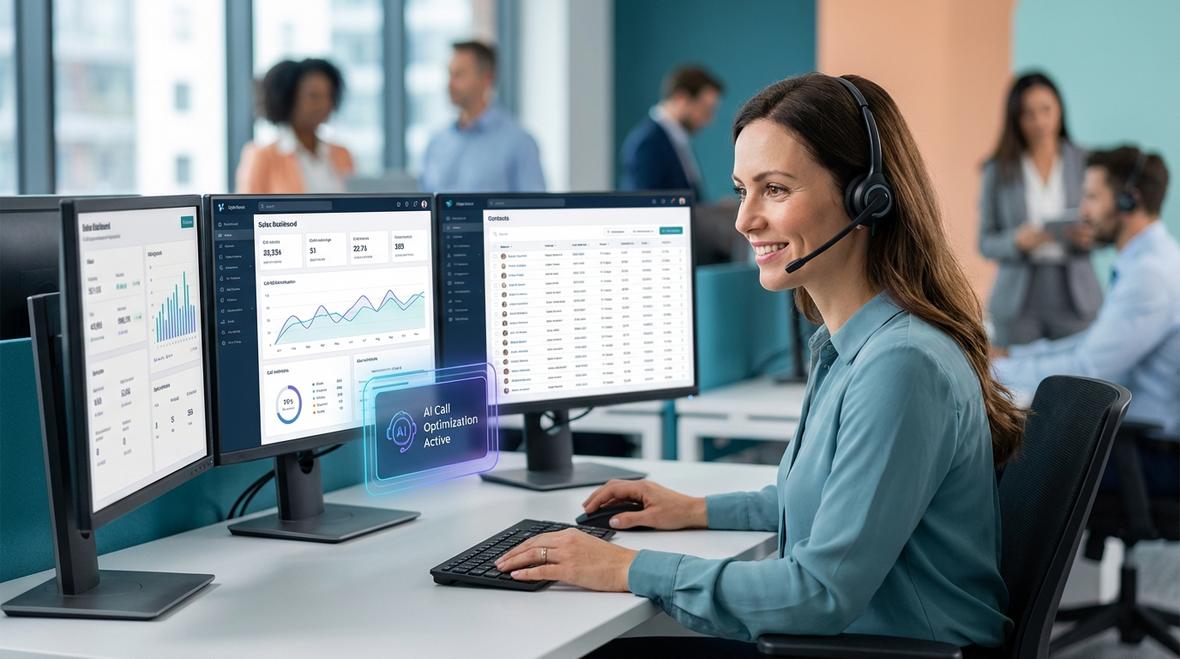
Auto dialer calls have revolutionized the way sales teams connect with prospects, transforming manual dialing processes into streamlined, AI-powered communication systems. An auto dialer is software that automatically calls numbers from a predetermined list, eliminating the need for sales representatives to manually dial each contact. This technology has become essential for B2B sales teams, call centers, and outbound sales operations looking to maximize productivity and connect rates.
The evolution of auto dialer calls has been remarkable. What started as basic automated calling systems has now transformed into sophisticated AI-driven platforms that incorporate voicemail detection, call analytics, and real-time filtering. Modern auto dialer calls leverage artificial intelligence to optimize call timing, detect answering machines, and connect representatives only when a live person answers.
For sales development representatives (SDRs) and sales managers, understanding auto dialer calls is no longer optional it's a competitive necessity. These systems can increase call volume by up to 300% compared to manual dialing, allowing teams to focus on conversations rather than the mechanical task of dialing numbers.
How Auto Dialer Calls Work: The Technical Framework
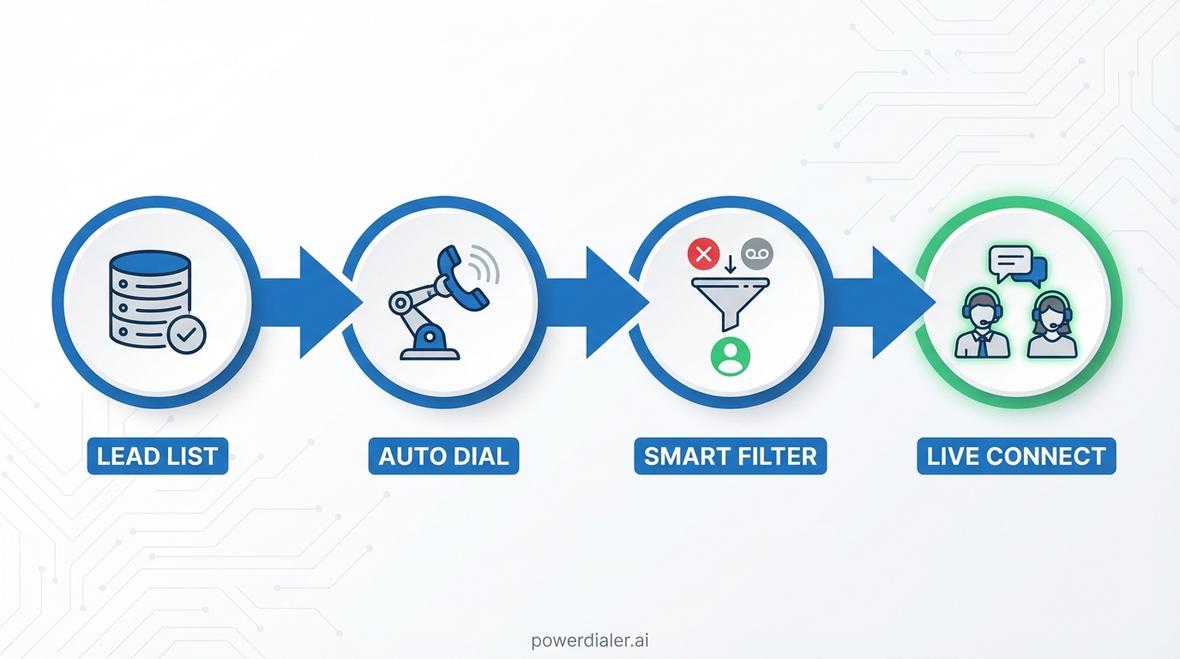
Auto dialer calls operate through a sophisticated multi-step process that begins with lead list integration and ends with live agent connections. The system starts by importing contact lists from CRM platforms or databases, then sequentially or simultaneously initiates calls based on the dialing algorithm selected.
Core Components of Auto Dialer Systems
The technical architecture of auto dialer calls includes several critical components:
- Lead Management System: Organizes and prioritizes contact lists based on qualification scores, previous interaction history, and optimal calling times
- Dialing Engine: Initiates outbound calls using VoIP technology or traditional telephony infrastructure
- Call Progress Analysis: Uses algorithms to detect busy signals, voicemails, disconnected numbers, and live answers
- Agent Connection Protocol: Routes successful connections to available sales representatives in real-time
- Analytics Dashboard: Tracks performance metrics including connect rates, talk time, and conversion statistics
Modern auto dialer calls incorporate voicemail detection technology that identifies answering machines within milliseconds, allowing the system to either skip the call or drop a pre-recorded message. This feature alone can save sales teams hundreds of hours monthly that would otherwise be wasted leaving manual voicemails.
AI-Powered Enhancements in Auto Dialer Calls
Artificial intelligence has transformed auto dialer calls from simple automation tools into intelligent sales assistants. AI-powered features now include:
- Predictive Call Timing: Machine learning algorithms analyze historical data to determine the optimal time to reach specific prospects
- Sentiment Analysis: Real-time analysis of voice tone and conversation patterns to provide coaching recommendations
- Smart Call Routing: AI assigns calls to the most appropriate sales representative based on expertise, past performance, and prospect profile
- Spam Likelihood Detection: Systems monitor caller ID reputation and adjust dialing patterns to avoid being flagged as spam
The integration of AI sales coaching capabilities within auto dialer platforms provides real-time feedback during calls, helping representatives improve their pitch and objection handling on the fly.
Types of Auto Dialers for Different Sales Scenarios
Not all auto dialer calls are created equal. Different dialing methodologies serve distinct sales scenarios and team structures. Understanding these variations is crucial for selecting the right technology for your organization.
Power Dialer Systems
A power dialer makes one call at a time, waiting for the previous call to end before initiating the next. This approach provides a 1:1 ratio between calls and available agents, making it ideal for complex B2B sales where personalization matters. Power dialers excel in scenarios requiring detailed note-taking, CRM updates, and thoughtful follow-up strategies.
Predictive Dialer Technology
Predictive dialers use algorithms to call multiple numbers simultaneously, predicting agent availability and adjusting call rates accordingly. These systems are optimized for high-volume outbound campaigns where efficiency trumps personalization. Predictive dialing technology can increase agent talk time by up to 300% but requires careful compliance management to avoid dropped calls.
Parallel Dialer Approach
The parallel dialer represents the newest evolution in auto dialer calls, initiating multiple simultaneous calls and connecting the first person who answers to an available representative. This method combines the efficiency of predictive dialers with the compliance-friendly structure of power dialers, making it particularly effective for sales teams operating under strict regulatory frameworks.
Compliance and Regulatory Landscape for Auto Dialer Calls
The regulatory environment surrounding auto dialer calls has intensified significantly, with violations carrying penalties up to $43,792 per call under TCPA regulations. Understanding compliance requirements is non-negotiable for any organization implementing automated calling systems.
TCPA Compliance Requirements
The Telephone Consumer Protection Act (TCPA) establishes strict guidelines for auto dialer calls to both landlines and mobile phones. Key requirements include:
- Prior Express Written Consent: Businesses must obtain documented permission before making automated calls to mobile numbers
- Do Not Call Registry Compliance: Auto dialer systems must cross-reference the National Do Not Call Registry and maintain internal suppression lists
- Time Restrictions: Calls can only be made between 8 AM and 9 PM in the recipient's local time zone
- Identification Requirements: Every call must clearly identify the calling organization and provide callback information
The rise of robocalls has intensified regulatory scrutiny. Robocalls increased from 29 billion to 48 billion calls between 2016-2018, according to AARP research, prompting stricter enforcement and higher penalties for violations.
STIR/SHAKEN Protocol Implementation
The STIR/SHAKEN protocol has become mandatory for carriers, requiring cryptographic authentication of caller ID information to combat spoofing and spam calls. For businesses using auto dialer calls, this means:
- Working with carriers that support STIR/SHAKEN authentication
- Maintaining clean caller ID reputation through spam blocking AI technology
- Registering business numbers with attestation services
- Monitoring call completion rates to identify potential blocking issues
Maximizing Performance with Auto Dialer Calls
Implementing auto dialer technology is only the first step; optimizing performance requires strategic configuration and ongoing refinement. Sales teams that master these optimization techniques consistently achieve 40-60% higher connect rates than those using default settings.
Optimal Call List Management
The foundation of successful auto dialer calls begins with intelligent list management. Effective strategies include:
- List Segmentation: Divide contacts by industry, company size, decision-maker level, and previous interaction history
- Priority Scoring: Implement lead scoring algorithms that prioritize high-value prospects during peak calling hours
- Time Zone Optimization: Configure auto dialer calls to respect local business hours across multiple regions
- Contact Rotation: Prevent list fatigue by rotating through different segments and avoiding over-calling specific contacts
Connect Rate Optimization Techniques
Several proven techniques can dramatically improve the effectiveness of auto dialer calls:
- Local Presence Dialing: Display local area codes matching the prospect's location to increase answer rates by 25-40%
- Caller ID Reputation Management: Monitor and maintain positive caller ID scores through compliant calling practices
- Optimal Calling Times: Analyze historical data to identify when specific prospect segments are most likely to answer
- Multi-Touch Cadences: Integrate auto dialer calls with email and LinkedIn outreach for comprehensive engagement strategies
Advanced platforms provide heatmap analytics that visualize call performance across different times, days, and prospect characteristics, enabling data-driven optimization.
Real-Time Monitoring and Coaching
The most successful sales organizations leverage real-time call monitoring to provide instant coaching and quality assurance. This approach enables managers to:
- Listen to live calls without prospect awareness (call monitoring)
- Whisper coaching tips to representatives during conversations (call whispering)
- Join calls as a third party when additional expertise is needed (call barging)
- Review call recordings with AI-generated insights and improvement recommendations
Integration with CRM and Sales Tools
Auto dialer calls deliver maximum value when fully integrated with existing sales technology stacks. Modern platforms offer native integrations with leading CRM systems, enabling seamless data flow and eliminating manual data entry.
Key Integration Capabilities
Essential integration features include:
- Automatic Call Logging: Every dial attempt, connection, and outcome is logged directly to the CRM contact record
- Click-to-Dial Functionality: Initiate auto dialer calls directly from CRM contact pages with a single click
- Real-Time Data Sync: Bidirectional data flow ensures CRM records remain current with call disposition, notes, and next steps
- Task Automation: Automatically create follow-up tasks, schedule callbacks, and trigger workflows based on call outcomes
PowerDialer.ai offers robust integrations with leading CRM platforms, enabling sales teams to maintain their existing workflows while gaining the efficiency benefits of automated calling.
Industry-Specific Applications of Auto Dialer Calls
Different industries leverage auto dialer calls in unique ways, optimizing configurations to match their specific sales cycles and prospect expectations.
B2B Sales Outreach
In B2B sales environments, auto dialer calls enable SDRs to conduct high-volume prospecting while maintaining the personalization required for complex sales. Typical applications include initial outreach, qualification calls, demo scheduling, and follow-up sequences.
Real Estate Lead Conversion
Real estate professionals use auto dialer calls to immediately contact new leads, schedule property showings, and maintain relationships with past clients. The real estate industry particularly benefits from local presence dialing and voicemail drop features that maintain personal touch at scale.
Financial Services Client Outreach
The financial services sector employs auto dialer calls for client reviews, appointment setting, and new product introductions while maintaining strict compliance with financial industry regulations and recording requirements.
Measuring ROI from Auto Dialer Implementation
Quantifying the return on investment from auto dialer calls requires tracking specific metrics across efficiency, effectiveness, and revenue generation dimensions.
Key Performance Indicators
Critical metrics for evaluating auto dialer performance include:
- Calls Per Hour: Average number of call attempts each representative completes (typically 60-120 with auto dialers vs. 20-30 manual)
- Connect Rate: Percentage of calls that reach a live person (industry average 5-10%)
- Conversation Rate: Percentage of connected calls that result in meaningful conversations (target 40-60%)
- Conversion Rate: Percentage of conversations that achieve the desired outcome (meeting scheduled, demo booked, sale closed)
- Revenue Per Call Hour: Total pipeline or revenue generated divided by total calling hours
Organizations implementing auto dialer calls typically see 200-300% increases in call volume and 40-80% improvements in connect rates compared to manual dialing approaches.
Future Trends in Auto Dialer Technology
The auto dialer landscape continues evolving rapidly, with several emerging trends reshaping how sales teams conduct outbound outreach.
Conversational AI Integration
Advanced platforms now incorporate AI voice agents that can conduct initial qualification conversations, answer basic questions, and schedule appointments autonomously before transferring qualified prospects to human representatives. This hybrid approach maximizes efficiency while maintaining the human touch for high-value interactions.
Enhanced Compliance Automation
New auto dialer systems include built-in compliance engines that automatically adjust calling strategies based on jurisdiction-specific regulations, time zones, and consent management requirements. These features reduce legal risk while maintaining operational efficiency.
Predictive Analytics and Optimization
Machine learning algorithms continuously analyze call data to optimize dialing strategies, predict prospect responsiveness, and recommend ideal calling times for specific contacts. These systems learn from every interaction, becoming more effective over time without manual configuration.
Choosing the Right Auto Dialer for Your Team
Selecting an auto dialer platform requires evaluating multiple factors beyond basic features and pricing considerations.
Essential Evaluation Criteria
When comparing auto dialer solutions, consider:
- Dialing Methodology: Power, predictive, or parallel dialing based on your sales model and compliance requirements
- Integration Capabilities: Native connections with your CRM, email platform, and other sales tools
- Compliance Features: Built-in TCPA compliance, DNC scrubbing, and consent management
- Scalability: Ability to support team growth without performance degradation
- Analytics Depth: Comprehensive reporting on call performance, agent productivity, and conversion metrics
- Support Quality: Responsiveness and expertise of technical support teams
PowerDialer.ai offers flexible pricing plans designed to support organizations from startups to enterprises, with transparent costs and no hidden fees.
Frequently Asked Questions About Auto Dialer Calls
Are auto dialer calls legal?
Yes, auto dialer calls are legal when conducted in compliance with TCPA regulations, including obtaining proper consent, respecting Do Not Call lists, and adhering to calling hour restrictions. Businesses must implement proper compliance protocols to avoid penalties.
What's the difference between power dialers and predictive dialers?
Power dialers call one number at a time per agent, ensuring a 1:1 ratio, while predictive dialers call multiple numbers simultaneously and use algorithms to predict agent availability. Power dialers offer better compliance and call quality, while predictive dialers maximize volume.
How much can auto dialers improve connect rates?
Organizations typically see 40-80% improvements in connect rates when implementing auto dialer calls with features like local presence dialing, optimal timing algorithms, and voicemail detection compared to manual dialing methods.
Do auto dialers work with mobile numbers?
Yes, auto dialers work with mobile numbers, but require prior express written consent under TCPA regulations. Mobile dialing demands stricter compliance protocols than landline calling.
How long does it take to integrate an auto dialer with existing systems?
Modern auto dialer platforms with native CRM integrations can be operational within 24-48 hours. Custom integrations may require 1-2 weeks depending on technical complexity and data migration requirements.
Conclusion
Auto dialer calls have evolved from simple automation tools into sophisticated AI-powered sales platforms that dramatically improve team productivity and connect rates. By automating the mechanical aspects of outbound calling, these systems allow sales representatives to focus on what they do best building relationships and closing deals. Whether you're managing a small sales team or a large call center operation, implementing the right auto dialer technology with proper compliance protocols and optimization strategies can transform your outbound sales performance. The key to success lies in selecting the appropriate dialing methodology for your sales model, maintaining strict regulatory compliance, and continuously optimizing based on performance data. As AI capabilities continue advancing, auto dialer calls will become even more intelligent, predictive, and essential to competitive sales operations.