
In today's competitive sales landscape, efficiency and connection rates can make or break your revenue goals. An auto dialer for cold calling is no longer a luxury it's a necessity for sales teams looking to maximize outreach, minimize manual effort, and drive consistent results. Whether you're an SDR handling hundreds of daily dials or a sales manager optimizing team performance, understanding how auto dialers work and which features matter most is critical to success.
This comprehensive guide explores everything you need to know about auto dialers for cold calling, from the technology behind them to practical implementation strategies, compliance considerations, and how to choose the right solution for your team.
What Is an Auto Dialer for Cold Calling?
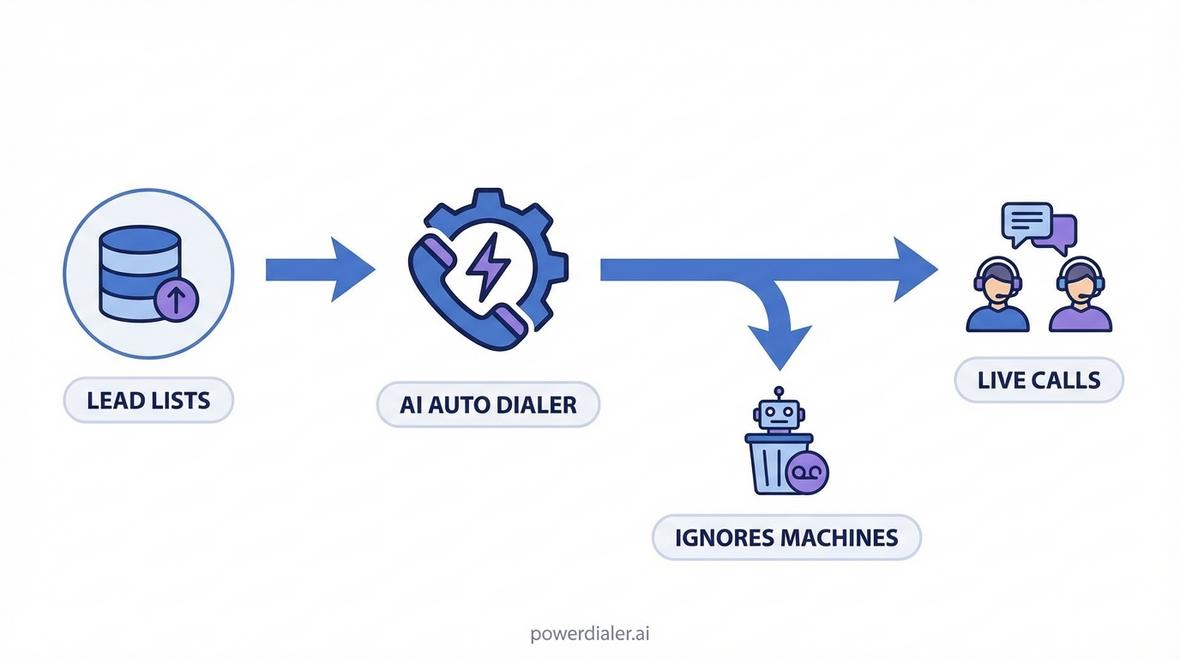
An auto dialer for cold calling is a software application that automatically dials phone numbers from a pre-loaded contact list, eliminating the need for sales reps to manually input each number. Once a call connects, the system routes it to an available agent, allowing reps to focus entirely on conversations rather than dialing mechanics.
Modern auto dialers leverage artificial intelligence and machine learning to detect live answers, filter out voicemails, busy signals, and disconnected numbers, and optimize dialing patterns based on historical data. This technology dramatically increases the number of conversations a sales rep can have per hour often by 300% or more compared to manual dialing.
Types of Auto Dialers: Which One Fits Your Sales Strategy?
Not all auto dialers are created equal. Understanding the differences between dialer types helps you select the solution that aligns with your team size, call volume, and sales process.
Power Dialer
A power dialer dials one number at a time per sales rep, waiting until the previous call ends before initiating the next. This approach ensures every connected call reaches an available agent and is ideal for teams focused on personalized, high-quality conversations. Power dialers are perfect for B2B sales environments where each conversation requires context and preparation.
Predictive Dialer
Predictive dialers use algorithms to dial multiple numbers simultaneously, predicting when agents will become available based on average call duration and answer rates. This aggressive approach maximizes agent talk time and is commonly used in high-volume call centers. However, predictive dialers may result in abandoned calls if no agent is available when a prospect answers, which can create compliance risks under regulations like the TCPA.
Parallel Dialer
A parallel dialer simultaneously dials multiple numbers (typically 2-5) and connects the first answered call to the agent while disconnecting the others. This method significantly increases connect rates while maintaining conversation quality. Parallel dialers strike a balance between efficiency and personalization, making them popular among growth-stage sales teams.
Progressive Dialer
Progressive dialers automatically dial the next number only after an agent completes their current call and indicates readiness. This ensures agents have time to log notes, update CRM records, and prepare for the next conversation without feeling rushed.
Key Features of a High-Performance Auto Dialer for Cold Calling
When evaluating auto dialer solutions, prioritize platforms that offer these essential capabilities:
AI-Powered Voicemail Detection
Advanced voicemail detection uses machine learning to distinguish between live answers and voicemail systems in under one second. This prevents reps from wasting time on unanswered calls and allows them to focus exclusively on live conversations. Some systems also offer automated voicemail drop features that leave pre-recorded messages instantly.
Local Presence Dialing
Research shows that prospects are significantly more likely to answer calls from local area codes. According to industry data, local presence dialing can increase answer rates by up to 400%. This feature automatically displays a caller ID that matches the prospect's area code, building immediate trust and improving connection rates.
CRM Integration
Seamless integration with your existing CRM system is non-negotiable. Look for auto dialers that offer native integrations with popular platforms like Salesforce, HubSpot, Pipedrive, and Apollo.io. Proper integration ensures automatic logging of calls, synchronized contact data, and real-time visibility into sales activities without manual data entry.
Call Recording and Analytics
Built-in call recording enables quality assurance, training opportunities, and compliance documentation. Advanced analytics dashboards should provide insights into metrics like dial-to-connect ratios, average talk time, conversion rates, and rep performance. Tools like heatmap analytics can reveal the best times to call specific prospects based on historical connection data.
Spam Detection Prevention
Caller ID reputation management is critical in 2026. If your numbers get flagged as 'spam likely,' your connect rates will plummet. Quality auto dialers include spam blocking AI and caller ID reputation monitoring to maintain clean number status and protect your outreach effectiveness.
The Business Benefits of Using an Auto Dialer for Cold Calling
Implementing an auto dialer delivers measurable improvements across multiple performance indicators:
Dramatically Increased Productivity
Manual dialing forces sales reps to spend up to 75% of their time on non-conversation activities like looking up numbers, dialing, waiting for rings, and navigating voicemails. An auto dialer for cold calling eliminates these inefficiencies, enabling reps to complete 3-4 times more calls per day. This productivity gain directly translates to more conversations, more qualified leads, and ultimately more closed deals.
Improved Connect Rates
Advanced features like AI voicemail detection, local presence dialing, and optimal call timing dramatically improve the percentage of dials that result in live conversations. Higher connect rates mean your team reaches decision-makers faster and wastes less time on unproductive activities.
Data-Driven Coaching and Optimization
Auto dialers provide managers with granular visibility into team performance through real-time dashboards and historical reporting. This data enables targeted coaching, identification of best practices, and continuous process improvement. Features like live call monitoring and whisper coaching allow managers to support reps during actual sales conversations.
Reduced Rep Burnout
Cold calling is mentally demanding work. By automating the mechanical aspects of dialing and maximizing productive conversation time, auto dialers make the role more engaging and less frustrating for sales reps. This leads to higher job satisfaction, better retention, and improved team morale.
Compliance Considerations for Auto Dialer Cold Calling
Legal compliance is paramount when using auto dialers for cold calling. Violations can result in significant fines and reputational damage.
TCPA Compliance
The Telephone Consumer Protection Act (TCPA) regulates the use of automated dialing systems in the United States. Key requirements include obtaining prior express written consent before calling cell phones with auto dialers, maintaining internal Do-Not-Call lists, and respecting call time restrictions (generally 8 AM to 9 PM local time). Understanding TCPA compliance guidelines is essential for any sales organization using auto dialer technology.
Call Recording Laws
Call recording requirements vary by state. Some states require all-party consent (both caller and recipient must agree to recording), while others only require one-party consent. Your auto dialer should support compliance with these varying requirements through configurable consent prompts and automatic recording disclosures. Familiarize yourself with call recording laws to avoid legal complications.
STIR/SHAKEN Compliance
STIR/SHAKEN is a framework designed to combat caller ID spoofing and robocalls. Carriers now use this technology to verify caller identity and flag potentially fraudulent calls. Ensure your dialer provider maintains proper STIR/SHAKEN attestation to prevent your calls from being flagged as spam.
How to Choose the Right Auto Dialer for Your Sales Team
Selecting the optimal auto dialer requires careful evaluation of your specific needs and circumstances:
Assess Your Team Size and Structure
Different dialer types suit different team configurations. Small teams with 5-10 reps often benefit from power dialers that prioritize conversation quality. Larger call centers with 50+ agents may require predictive dialers to maximize throughput. Mid-sized growth teams frequently find parallel dialers offer the best balance of efficiency and personalization.
Evaluate Integration Capabilities
Your auto dialer should integrate seamlessly with your existing technology stack. Look for native integrations with your CRM, sales engagement platforms, and analytics tools. Poor integration creates data silos, increases manual work, and reduces the overall value of the system.
Consider Industry-Specific Requirements
Different industries have unique needs. Real estate agents require features like ringless voicemail and local presence dialing. Healthcare organizations need HIPAA-compliant calling and recording. Financial services firms must meet strict regulatory requirements. Choose a provider with experience in your vertical.
Review Pricing Models
Auto dialer pricing varies widely. Some platforms charge per user per month, while others use per-minute pricing or tiered feature packages. Consider both immediate costs and long-term scalability. Factor in the value of features like unlimited calling, advanced analytics, and premium integrations when comparing options.
Best Practices for Implementing Auto Dialers
Successfully deploying an auto dialer for cold calling requires more than just purchasing software:
Clean Your Data
Auto dialers amplify your existing data quality both good and bad. Before launching, scrub your contact lists to remove duplicates, update outdated information, and segment prospects appropriately. Poor data quality will result in wasted dials and frustrated prospects.
Train Your Team Thoroughly
Invest in comprehensive training on both the technical aspects of the platform and strategic calling techniques. Reps should understand how to use all features, interpret analytics, and optimize their approach based on data insights. Consider developing cold calling training guides specific to your industry and buyer personas.
Start with Conservative Settings
When first implementing auto dialing, begin with conservative settings (lower dial ratios, longer wait times) and gradually increase aggressiveness as your team adapts. This prevents overwhelming reps and reduces the risk of compliance issues during the learning phase.
Monitor Key Metrics
Track essential performance indicators like connect rate, conversation rate, conversion rate, and average handle time. Establish baseline metrics before implementation and measure improvement over time. Use this data to identify top performers, optimize calling schedules, and refine your approach.
Auto Dialer vs. Manual Dialing: The Numbers Don't Lie
The efficiency difference between auto dialers and manual dialing is substantial. According to sales operations research, manual dialers typically complete 30-50 calls per day with connection rates around 5-10%. In contrast, reps using auto dialers can complete 200-300 calls per day with connection rates of 15-25% or higher when using features like local presence dialing and AI voicemail detection.
This translates to 5-10 times more actual conversations per rep per day. If your average deal size is $5,000 and your close rate is 20%, the additional conversations generated by auto dialing can easily add hundreds of thousands of dollars in annual revenue per sales rep.
Industry-Specific Applications of Auto Dialers
Auto dialers deliver value across virtually every B2B and B2C sales environment:
Real Estate
Real estate professionals use auto dialers to contact leads from open houses, online inquiries, and purchased lists. Features like ringless voicemail and local presence dialing help agents maintain consistent follow-up without being intrusive.
Financial Services
Insurance agents, mortgage brokers, and financial advisors leverage auto dialers to reach prospects during optimal calling windows while maintaining detailed compliance records for regulatory purposes.
SaaS and Technology Sales
Inside sales teams at software companies use auto dialers to qualify inbound leads quickly and conduct high-volume outbound prospecting to book product demonstrations.
Healthcare
Medical practices and healthcare providers employ auto dialers for appointment reminders, patient follow-up, and telehealth outreach while maintaining HIPAA compliance through secure, encrypted calling platforms.
The Future of Auto Dialers: AI and Automation Trends
The auto dialer landscape continues to evolve rapidly with emerging technologies:
Conversational AI Integration
Next-generation dialers are integrating conversational AI that can handle initial qualification questions, schedule appointments, and even conduct entire discovery calls before transferring qualified prospects to human reps. This dramatically increases the leverage of each sales professional.
Advanced Predictive Analytics
Machine learning models are becoming increasingly sophisticated at predicting optimal call timing, identifying high-intent prospects, and personalizing outreach strategies based on behavioral signals and historical patterns.
Omnichannel Orchestration
Modern sales engagement platforms are combining auto dialing with email, SMS, social media, and other channels into unified workflows. This omnichannel approach ensures prospects receive consistent, coordinated outreach across all touchpoints.
Frequently Asked Questions
Is an auto dialer legal for cold calling?
Yes, auto dialers are legal for cold calling when used in compliance with regulations like the TCPA. Key requirements include respecting Do-Not-Call lists, maintaining proper consent documentation, calling during permitted hours, and using compliant technology. Different rules apply to B2B vs. B2C calling.
How much does an auto dialer for cold calling cost?
Pricing varies significantly based on features, user count, and calling volume. Basic solutions start around $30-50 per user per month, while enterprise platforms with advanced AI features can cost $100-200+ per user monthly. Some providers also charge per-minute fees for actual calling time. Evaluate total cost of ownership including setup, training, and integration expenses.
Can auto dialers integrate with my existing CRM?
Most modern auto dialers offer integrations with popular CRM systems like Salesforce, HubSpot, Pipedrive, and Zoho. The depth of integration varies look for solutions with native integrations that support bi-directional data sync, automatic activity logging, and real-time updates rather than basic API connections that require custom development.
What's the difference between a power dialer and a predictive dialer?
A power dialer calls one number at a time per rep, ensuring every answered call reaches an available agent. A predictive dialer uses algorithms to dial multiple numbers simultaneously, predicting agent availability. Power dialers prioritize conversation quality and compliance, while predictive dialers maximize call volume and agent talk time but may result in occasional abandoned calls.
How quickly can I implement an auto dialer?
Implementation timelines range from a few days to several weeks depending on complexity. Cloud-based solutions with standard integrations can be deployed in 3-5 business days. Custom integrations, data migration, and extensive training may extend the timeline to 4-6 weeks. Plan for a phased rollout with pilot testing before full team deployment.
Conclusion
An auto dialer for cold calling is an essential tool for any sales organization serious about maximizing productivity, improving connect rates, and driving consistent revenue growth. By automating mechanical dialing tasks and leveraging AI to optimize every aspect of the calling process, these platforms enable sales teams to have dramatically more conversations with qualified prospects.
Success with auto dialers requires careful platform selection, thorough implementation planning, ongoing training, and continuous optimization based on data insights. Whether you choose a power dialer, parallel dialer, or predictive dialer, the key is matching the technology to your specific team structure, sales process, and business objectives while maintaining strict compliance with applicable regulations.
The competitive advantage gained through effective auto dialing is substantial and measurable. Sales teams that embrace this technology consistently outperform those relying on manual methods, making auto dialers not just a nice-to-have tool but a strategic necessity in modern sales operations.