
What Does BDM Mean in Business?
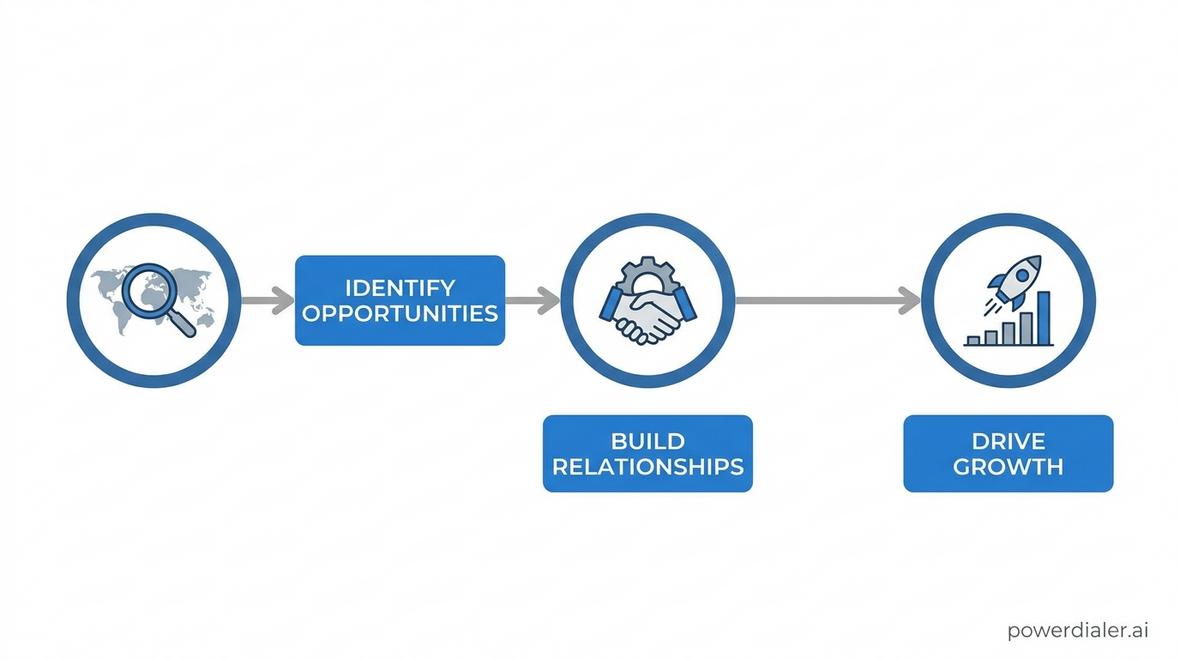
BDM stands for Business Development Manager, a pivotal role in modern sales and growth strategies. A BDM is responsible for identifying new business opportunities, building strategic partnerships, and driving revenue growth through a combination of relationship management, market analysis, and strategic planning. Unlike traditional sales roles that focus primarily on closing deals, a BDM takes a holistic approach to expanding a company's market presence and long-term profitability.
In the context of B2B sales environments, BDMs serve as the bridge between potential clients and the company's offerings. They analyze market trends, identify target accounts, and develop tailored strategies to penetrate new markets. According to U.S. Bureau of Labor Statistics sales manager data, sales managers oversee teams averaging 50-70 daily dials per rep, with tech adoption linked to 15-20% employment growth in high-efficiency roles highlighting the increasing importance of strategic business development positions.
Understanding what BDM means in business is crucial for organizations looking to scale their operations, especially in competitive industries like financial services, healthcare, and technology sectors. The role has evolved significantly with the advent of AI-powered tools and automation platforms that enable BDMs to work more efficiently and make data-driven decisions.
Core Responsibilities of a Business Development Manager
The role of a BDM encompasses a wide range of strategic and tactical responsibilities that directly impact a company's growth trajectory. Understanding these responsibilities helps organizations better define expectations and measure success for this critical position.
Identifying and Qualifying New Opportunities
One of the primary functions of a BDM is to continuously scan the market for new business opportunities. This involves conducting thorough market research, analyzing competitor activities, and identifying gaps in the current market that the company can fill. BDMs leverage various data sources and tools to build comprehensive prospect lists and prioritize opportunities based on potential revenue impact and strategic fit.
Modern BDMs increasingly rely on technology to streamline this process. Tools like power dialers enable BDMs and their teams to efficiently reach out to prospects, reducing the time spent on manual dialing and administrative tasks. Research indicates that Forrester finds 68% of sales reps spend over 40% of their day on non-selling activities like manual dialing and voicemails, reducing quota attainment by 22% compared to automated teams.
Building Strategic Partnerships
BDMs excel at establishing and nurturing strategic partnerships that create mutual value. This involves identifying potential partners, negotiating terms, and maintaining long-term relationships that support both organizations' growth objectives. Successful partnership management requires excellent communication skills, business acumen, and the ability to align different stakeholders around common goals.
Strategic partnerships might include channel partners, technology integrators, or complementary service providers. For instance, a BDM in the sales technology space might develop partnerships with CRM providers to create integrated solutions that serve customers more effectively.
Developing and Executing Growth Strategies
Beyond identifying opportunities, BDMs are responsible for creating comprehensive growth strategies and ensuring their successful execution. This includes setting revenue targets, defining go-to-market approaches, and coordinating cross-functional teams to deliver results. BDMs must balance short-term revenue goals with long-term strategic positioning.
Effective growth strategies often involve multiple channels and tactics, from direct outreach to content marketing and event sponsorships. BDMs work closely with marketing teams to ensure alignment between lead generation efforts and sales activities, creating a seamless customer journey from initial awareness to closed deal.
Managing the Sales Pipeline
While BDMs focus on strategic initiatives, they also maintain oversight of the sales pipeline, particularly for enterprise accounts and complex deals. This involves tracking opportunities through various stages, forecasting revenue, and identifying potential risks or roadblocks that could derail deals.
Advanced analytics and reporting tools enable BDMs to gain real-time visibility into pipeline health and make data-driven decisions about resource allocation. These insights help BDMs identify which opportunities to prioritize and where additional support might be needed to move deals forward.
Key Skills Required for Successful BDMs
The multifaceted nature of the BDM role demands a diverse skill set that combines strategic thinking with tactical execution. Organizations seeking to hire or develop effective BDMs should focus on cultivating these essential competencies.
Strategic Thinking and Market Analysis
Top-performing BDMs possess strong analytical capabilities that enable them to understand complex market dynamics, competitive landscapes, and customer behavior patterns. They can synthesize information from multiple sources to identify trends and opportunities that others might miss. This strategic perspective allows BDMs to position their companies advantageously and anticipate market shifts before they occur.
Relationship Building and Communication
Success in business development hinges on the ability to build genuine, trust-based relationships with prospects, partners, and internal stakeholders. BDMs must be exceptional communicators who can articulate value propositions clearly, listen actively to understand customer needs, and adapt their messaging to different audiences. This extends to both written and verbal communication across various channels.
Negotiation and Deal Structuring
BDMs frequently negotiate complex agreements that require balancing multiple interests and finding creative solutions to challenging problems. Strong negotiation skills enable BDMs to secure favorable terms while maintaining positive relationships. This includes understanding contract structures, pricing strategies, and risk mitigation approaches.
Data-Driven Decision Making
Modern business development requires comfort with data analysis and the ability to derive actionable insights from metrics. BDMs should be proficient in interpreting sales data, market research, and performance indicators to inform strategy and optimize results. Familiarity with CRM systems, heatmap analytics, and other sales intelligence tools is increasingly essential.
How BDMs Differ from Traditional Sales Roles
While BDMs and sales representatives both contribute to revenue generation, their roles differ significantly in scope, focus, and responsibilities. Understanding these distinctions helps organizations structure their teams effectively and set appropriate expectations.
Strategic vs. Tactical Focus
Traditional sales roles typically focus on executing defined sales processes and meeting quota targets within established territories or accounts. Sales reps follow predetermined playbooks and focus primarily on converting leads into customers. BDMs, by contrast, operate at a more strategic level, identifying new markets, creating partnerships, and developing innovative approaches to growth that may not yet exist in the company's standard operating procedures.
Long-Term vs. Short-Term Orientation
While sales reps often work on shorter sales cycles and transactional relationships, BDMs invest in building long-term strategic relationships that may take months or years to fully materialize. BDMs think about the customer lifecycle beyond the initial sale, considering expansion opportunities, partnership potential, and strategic account value over time.
Scope of Responsibilities
Sales reps primarily focus on prospecting, qualifying leads, conducting demos, and closing deals within their assigned territories. BDMs have broader responsibilities that include market research, competitive analysis, strategic planning, partnership development, and cross-functional collaboration with marketing, product, and executive teams.
For organizations leveraging modern sales technology, BDMs might oversee the implementation of tools like parallel dialers to maximize team efficiency and connect rates, while individual sales reps focus on executing calls and following up with prospects.
The Impact of BDMs on Business Growth
Organizations that invest in strong business development functions typically see measurable improvements in revenue growth, market expansion, and competitive positioning. The strategic contributions of effective BDMs extend far beyond immediate sales numbers.
Revenue Expansion and Diversification
BDMs drive revenue growth through multiple channels simultaneously. They identify new customer segments, develop partnerships that create additional revenue streams, and uncover upsell and cross-sell opportunities within existing accounts. This diversification reduces risk by ensuring the company isn't overly dependent on any single customer segment or market.
Market Penetration and Competitive Advantage
Through systematic market analysis and strategic positioning, BDMs help companies establish footholds in new markets and strengthen their competitive positions in existing ones. They identify whitespace opportunities where the company's offerings can solve unmet needs, creating differentiation that competitors struggle to match.
Enhanced Customer Intelligence
BDMs serve as valuable sources of market intelligence, gathering insights about customer needs, competitive activities, and emerging trends through their extensive interactions with prospects and partners. This intelligence informs product development, marketing strategies, and overall business planning, helping companies stay ahead of market shifts.
Technology Tools Empowering Modern BDMs
The business development function has been transformed by technology that enables BDMs to work more efficiently, make better decisions, and scale their impact. Understanding and leveraging these tools is essential for BDM success in competitive markets.
AI-Powered Sales Dialers
One of the most significant technological advances for BDMs and their teams has been the emergence of AI-powered dialing solutions. These tools dramatically increase the number of conversations sales teams can have by automating manual processes and optimizing connection rates. PowerDialer.ai represents this new generation of sales acceleration technology, enabling teams to focus on high-value conversations rather than administrative tasks.
CRM and Sales Intelligence Platforms
Modern customer relationship management systems provide BDMs with comprehensive views of customer interactions, pipeline status, and performance metrics. When integrated with sales intelligence tools, these platforms enable BDMs to identify the best opportunities, personalize outreach, and coordinate complex sales cycles across multiple stakeholders.
Analytics and Performance Tracking
Data analytics tools give BDMs unprecedented visibility into what's working and what's not. From speed-to-lead analytics to conversion rate tracking across different channels, these insights enable continuous optimization of business development strategies. BDMs can quickly identify successful approaches and scale them while eliminating ineffective tactics.
BDM Success Metrics and KPIs
Measuring BDM performance requires a balanced approach that considers both short-term results and long-term strategic contributions. Organizations should establish clear metrics that align with overall business objectives.
Revenue and Pipeline Metrics
Key quantitative metrics for BDMs include new revenue generated, pipeline value created, deal size and velocity, and conversion rates at various stages of the sales funnel. These metrics provide concrete evidence of a BDM's impact on business growth and help identify areas for improvement.
Activity and Engagement Metrics
BDMs should also be evaluated on activity-based metrics such as qualified opportunities identified, strategic meetings conducted, partnerships established, and market penetration achieved in target segments. These leading indicators often predict future revenue performance and provide early signals about the effectiveness of business development strategies.
Strategic Impact Metrics
Beyond immediate sales results, BDMs contribute to strategic objectives like market positioning, competitive differentiation, and organizational capabilities. While these impacts can be harder to quantify, they're essential to the long-term value BDMs create. Metrics might include new markets entered, strategic partnerships established, or innovative go-to-market approaches developed.
Career Path and Development for BDMs
The BDM role often serves as a stepping stone to senior leadership positions within sales organizations. Understanding typical career progression helps individuals plan their development and organizations structure succession planning.
Entry Points into Business Development
Many professionals enter business development from sales roles, where they've demonstrated strong performance and strategic thinking. Others come from consulting, marketing, or industry-specific positions that provide relevant market knowledge. Sales development representatives often transition into BDM roles after proving their ability to identify and qualify opportunities.
Advancement Opportunities
Successful BDMs typically advance to senior business development roles, director or VP positions overseeing business development teams, or executive roles such as Chief Revenue Officer or Chief Business Officer. Some BDMs leverage their market knowledge and strategic skills to transition into product management, corporate strategy, or general management roles.
Continuous Skill Development
BDMs should invest in ongoing learning to stay current with market trends, sales methodologies, and emerging technologies. This might include formal training in areas like strategic account management, negotiation, or data analytics, as well as staying informed about industry developments and competitive dynamics.
Common Challenges Faced by BDMs and Solutions
Despite the strategic importance of the BDM role, professionals in these positions face several recurring challenges that can limit their effectiveness if not properly addressed.
Balancing Strategic and Tactical Work
BDMs often struggle to balance high-level strategic planning with the tactical execution required to move deals forward. The solution lies in effective time management, clear role definition, and leveraging technology to automate routine tasks. By using tools like auto voicemail drop, BDMs can reduce time spent on repetitive activities and focus on strategic priorities.
Measuring and Demonstrating ROI
Because BDM contributions often manifest over longer time horizons, demonstrating clear return on investment can be challenging. Organizations should establish both leading and lagging indicators that capture the full spectrum of BDM impact, from pipeline generation to strategic market positioning.
Coordinating Across Functions
Effective business development requires collaboration across sales, marketing, product, and executive teams. BDMs must develop strong relationship management skills and establish clear communication channels to ensure alignment and support for their initiatives.
Industries Where BDMs Make the Greatest Impact
While BDMs add value across virtually all sectors, certain industries particularly benefit from strong business development functions due to their complexity, competitive dynamics, or relationship-driven nature.
Technology and SaaS
The rapidly evolving technology sector requires BDMs who can identify emerging opportunities, establish strategic partnerships, and navigate complex enterprise sales cycles. Technology BDMs must understand technical concepts while translating them into business value for prospects.
Professional Services
In consulting, legal, and other professional services firms, BDMs play crucial roles in identifying new client opportunities, expanding relationships within existing accounts, and building the firm's reputation in target markets. Relationship-building skills are particularly important in these trust-based industries.
Healthcare and Pharma
The pharmaceutical and healthcare sectors require BDMs who understand complex regulatory environments, lengthy sales cycles, and multiple stakeholder decision-making processes. These BDMs often focus on building relationships with key opinion leaders and navigating organizational hierarchies.
Frequently Asked Questions
What is the average salary for a BDM?
Business Development Manager salaries vary significantly based on industry, location, company size, and experience level. In the United States, BDMs typically earn between $70,000 and $150,000 annually, with additional performance-based compensation potentially adding 20-50% on top of base salary. Senior BDMs in high-growth technology companies or competitive markets often earn significantly more.
How long does it take to become a BDM?
Most BDMs have 3-7 years of relevant professional experience before moving into business development roles. This typically includes time in sales, marketing, consulting, or industry-specific positions that develop the strategic thinking, relationship management, and business acumen required for success. Some organizations hire recent graduates into junior business development roles with accelerated development paths.
Do BDMs need technical skills?
While deep technical expertise isn't always required, successful BDMs need sufficient technical literacy to understand their products, competitive differentiation, and customer use cases. In technology industries, stronger technical knowledge becomes increasingly important. More critical are skills in CRM systems, data analysis, and sales automation tools that enable effective business development execution.
What is the difference between a BDM and an Account Manager?
BDMs focus primarily on identifying and developing new business opportunities, whether through new customers or new opportunities within existing accounts. Account Managers concentrate on maintaining and expanding relationships with existing customers, ensuring satisfaction, and identifying organic growth opportunities. BDMs are typically more externally focused and strategic, while Account Managers emphasize relationship maintenance and customer success.
Can BDMs work remotely?
Many BDM roles can be performed remotely or in hybrid arrangements, particularly with modern communication and collaboration technologies. However, the specific requirements depend on the industry, company culture, and nature of the relationships being developed. Roles requiring frequent in-person meetings or industry event attendance may necessitate more travel and office presence.
Conclusion
Understanding what BDM means in business is essential for organizations seeking sustainable growth in competitive markets. Business Development Managers serve as strategic drivers of revenue expansion, market penetration, and competitive positioning through their unique combination of analytical thinking, relationship building, and execution excellence. As technology continues to transform sales processes, successful BDMs leverage tools like AI-powered dialers and advanced analytics to maximize their impact while maintaining the human relationships that remain at the heart of business development. Whether you're considering a career in business development, hiring for this critical role, or seeking to optimize your existing BDM function, investing in strong business development capabilities delivers measurable returns through diversified revenue streams, enhanced market intelligence, and sustained competitive advantage.